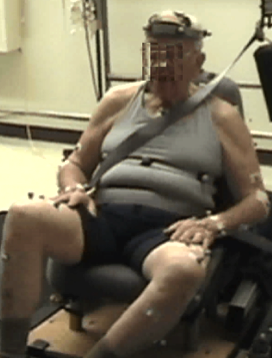
The prevalence of obesity among US adults has plateaued over the past few years, but still remains at historical highs. Analysis of crash data has suggested that, after correcting for other factors, obesity increases the risk of certain types of injuries. One reason for that increased risk may be problems with seat belt fit. We conducted a laboratory study of belt fit among 54 adults, 48% of whom were obese. We found that obesity results in relatively poor lap belt fit, with the belt riding high and forward relative to the pelvis. Both lap belt and shoulder belt length were also increased for heavier individuals, a trend which also reduces belt effectiveness. These results indicate that load sharing among the components of restraint system (including the belt, airbag, and knee bolster) may differ substantially for obese adults and should be taken into account in restraint system design.
September 2011
Belt Fit for Obese Occupants